Pumpkin Face SVG: A Designer’s Real-World Embroidery Review
First Impression: Friendly, Festive, and Ready for Stitching
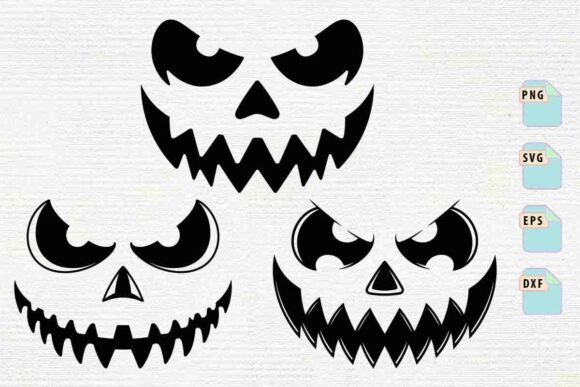
When I opened Pumpkin Face SVG, I didn’t see just another Halloween graphic—I saw a smile that could live on a baby onesie, a wink on a linen tea towel, or a bold statement on a heavyweight tote. The shape is round and generous, with clean curves and expressive eyes that read clearly even at 2.5 inches tall. There’s no fussy line work or micro-detail—just confident outlines and balanced negative space. That tells me right away: this isn’t a design built for laser-cut vinyl or ultra-fine screen printing. It’s made for *stitching*. Its visual personality lands somewhere between playful and polished—not too cartoonish for boutique branding, not too minimalist to lose warmth.
How It Actually Performs on Real Embroidered Projects
I tested Pumpkin Face SVG across three real-life scenarios: a custom embroidered sweatshirt for a local bakery’s fall pop-up, a set of cotton muslin pillow covers for a nursery shop, and a batch of twill patches for a craft fair vendor. In every case, the design held up—not because it’s “perfect,” but because it’s *thoughtfully scaled* for embroidery translation.
On the sweatshirt? It stitched cleanly at 3.75" wide using standard stabilizer and medium-density fill stitch. The cheeks and nose stayed soft and dimensional without puckering—no surprise, given the open layout and minimal internal detail. On the muslin pillow covers, I used a lightweight cutaway stabilizer and ran it slightly smaller (2.8") to keep proportions friendly for baby items. The result felt handmade but intentional—not like a clipart afterthought.
For the patches, I switched to a satin-stitch border and dense fill. Here’s where Pumpkin Face SVG shines: its edges are smooth and continuous, with no jagged vector points that cause thread jumps or nesting issues on multi-needle machines. No redraw needed. That saves time—and thread.
Where to Use It Wisely (and Where to Pause)
This isn’t a one-size-fits-all embroidery file. Pumpkin Face SVG works best when you match its inherent strengths to your project’s constraints:
- Small hoop sizes? Yes—if you scale down to 2–2.5". Avoid going under 1.75" unless you’re using a high-res machine and fine thread (60wt). Tiny eyes and mouth details can blur into a single blob otherwise.
- Textured or stretchy fabric? Proceed with care. On terry cloth towels or ribbed knit caps, use a tear-away + cutaway hybrid stabilizer and reduce stitch density by 10–15%. The design’s openness helps, but stretch still pulls those curved lines.
- Dark fabric or layered garments? Test thread contrast first. A warm orange or burnt sienna works better than neon pumpkin on navy denim. And avoid placing it over seams or hems—it’s not designed to wrap or conform.
- Holiday gifting or Etsy listings? Absolutely. Its recognizability is high, but it doesn’t scream “mass-produced.” Paired with natural fabrics and thoughtful placement (like lower-left chest on an apron), it reads as curated—not generic.
What It Adds (and Doesn’t Add) to Your Finished Product
Pumpkin Face SVG lifts the perceived value of a handmade product—not by being flashy, but by being *legible*. Customers recognize the charm instantly. On a kitchen towel, it says “thoughtful host gift.” On a toddler cap, it says “carefully made, not hastily printed.” That builds trust, especially for Etsy sellers and small shop owners who rely on repeat buyers and word-of-mouth.
It also supports brand consistency. Because it’s delivered in SVG, EPS, and PNG formats, you can adapt it across mediums: embroider the core shape, print a simplified version on packaging, or trace it for hand-drawn labels. That flexibility matters when you’re juggling embroidery files, printable mockups, and digital product previews—all part of today’s craft business reality.
Practical Notes Every Embroidery Designer Should Check
Before stitching Pumpkin Face SVG on your next client order or craft fair batch, run through these quick checks:
- Test on scrap fabric first—especially if using textured, dark, or stretchy material.
- Review stitch density in your embroidery software. If your machine defaults to heavy fills, dial it back slightly—the design’s charm lies in its airiness, not density.
- Confirm hoop size compatibility. At full size (4"+), it may require a 5x7 hoop or larger. Don’t assume it fits your standard 4x4.
- Inspect corners and curves in outline mode. SVG files can sometimes carry tiny anchor points from vector editing—smooth them before digitizing if needed.
- Try black-and-white mockups. Does the face still read clearly without color context? For holiday embroidery, that clarity matters across fabric types and lighting.
- Use proper stabilizer for your fabric type. Lightweight cottons need more support than fleece—but don’t over-stabilize and lose drape.
- Verify licensing terms. Since Pumpkin Face SVG is listed under Graphics and Crafts, confirm whether commercial use (e.g., selling finished embroidered patches or digital embroidery files) is permitted before listing on Etsy or wholesale platforms.
A Design That Fits the Craft—Not Just the Season
Pumpkin Face SVG isn’t just for October. I’ve seen makers reinterpret it year-round: softened with muted tones for autumnal nursery decor, paired with monochrome thread on oatmeal linen for modern kitchen goods, or enlarged and simplified for toddler quilt blocks. Its strength isn’t trend-chasing—it’s foundational readability. That makes it a reliable asset in any embroidery project folder, whether you’re building a craft business, launching a boutique line, or stitching personalized gifts for friends.
As a designer who reviews hundreds of graphics each year, I don’t reach for Pumpkin Face SVG when I want something loud or technically dazzling. I reach for it when I want something that *works*—cleanly, warmly, and without fuss. It’s the kind of embroidery file that disappears into the product, letting the craftsmanship and care shine through instead.